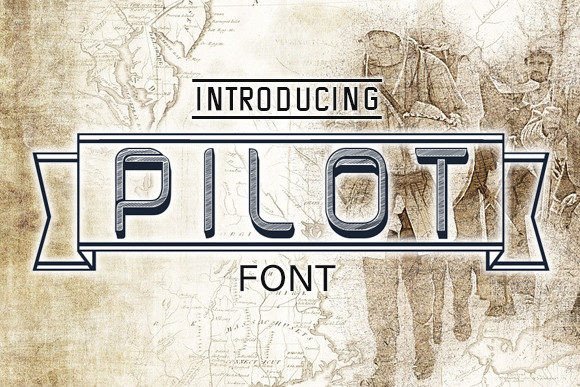
Pilot Font: Elevate Your Brand Identity
As a small business owner, you know that first impressions are everything. Before a customer reads your product description or checks your price list, they notice your visual style. One of the most powerful tools in your branding toolkit is typography. Choosing the right typeface can transform a generic design into a memorable brand experience. This is where Pilot comes in. As an awesome decorative ribbon font, Pilot offers a unique blend of charm and professionalism that can help your business stand out in a crowded market.
Whether you run a boutique online shop, a local café, or a creative service agency, consistency is key to building trust. Pilot is not just a set of letters; it is a design asset that helps you communicate your brand’s personality instantly. In this guide, we will explore how this premium font can be applied across your real-world business touchpoints to create a cohesive and recognizable brand identity.
Understanding the Personality of Pilot
Pilot is classified as a decorative font, but its utility goes far beyond simple ornamentation. The "ribbon" style suggests fluidity, elegance, and a handcrafted feel. It carries a mood that is both playful and sophisticated, making it versatile for various industries. Unlike rigid geometric sans serif fonts that can sometimes feel cold or corporate, Pilot brings warmth and human connection to your designs.
For entrepreneurs, this emotional connection is vital. When customers see a handwritten or script-like aesthetic, they often perceive the brand as more personal and approachable. Pilot achieves this while maintaining enough structure to remain legible and professional. It strikes a balance between artistic expression and commercial viability, which is exactly what modern typography demands in today’s visual landscape.
Practical Applications for Your Business Materials
The true test of any creative font is its versatility. Can it work on a tiny sticker? Does it look good on a large website banner? Pilot is designed to be stunning on a variety of mediums. Here is how you can integrate this typeface into your daily operations:
- Logo Design: If you are launching a new venture or rebranding, Pilot can serve as the centerpiece of your logo. Its distinctive ribbon style ensures that your logo is not easily confused with competitors. It works particularly well for brands in the beauty, lifestyle, and creative sectors.
- Packaging Design and Labels: For handmade product sellers, such as candle makers or bakery owners, packaging is a silent salesperson. Using Pilot on product labels adds a premium, artisanal touch. It signals to the customer that care and attention to detail went into the product.
- Social Media Graphics: In the fast-paced world of Instagram and Pinterest, you have seconds to capture attention. Pilot is excellent for creating eye-catching headers on posts, story highlights, and promotional graphics. Its decorative nature makes it pop against clean backgrounds.
- Print Collateral: From business cards to thank-you cards included in shipment boxes, Pilot adds a layer of polish. It turns standard printed materials into keepsakes that customers might hold onto, reinforcing brand recall.
- Website Visuals: Use Pilot for hero section headlines or call-to-action buttons on your website. It breaks up the monotony of standard web fonts and guides the user’s eye to important information.
Building Trust Through Consistent Branding
A disjointed brand looks unprofessional. If your Instagram posts use one style, your website uses another, and your packaging uses a third, customers may question your reliability. By adopting Pilot as part of your core design assets, you create a visual thread that ties all your customer-facing materials together.
Consistency breeds familiarity, and familiarity breeds trust. When a customer sees the same distinctive typeface on your digital ads and then again on the physical product they receive, it validates their purchase decision. It confirms that they are dealing with a legitimate, thoughtful business. This is the power of a strong brand identity. Pilot helps you achieve this without needing a large budget for custom lettering or extensive graphic design resources.
Readability and Real-World Usage Tips
While Pilot is a display font meant to grab attention, readability should never be sacrificed for style. Decorative fonts can sometimes be challenging to read at small sizes or in long paragraphs. To use Pilot effectively, consider these practical guidelines:
First, reserve Pilot for headlines, titles, and short accents. Avoid using it for body text, such as product descriptions or terms and conditions. Instead, pair it with a highly readable sans serif font or a classic serif font for longer content. This contrast not only improves readability but also creates a visually appealing hierarchy in your design.
Second, test your designs in real-world scenarios. Print a sample label and hold it at arm’s length. View your social media graphic on a mobile phone screen. If the details of the ribbon style blur or become illegible, increase the size or simplify the background. Pilot shines when given enough space to breathe, so avoid cluttering the area around the text.
Smart Font Pairing Strategies
To maximize the impact of Pilot, you need complementary typefaces. Here are two effective pairing strategies:
- Pilot + Clean Sans Serif: This is a modern, minimalist approach. The simplicity of a sans serif font balances the ornate nature of Pilot. This combination works well for tech startups, modern boutiques, and contemporary cafes. It feels fresh and organized.
- Pilot + Traditional Serif: This pairing leans into elegance and tradition. It is ideal for luxury goods, wedding services, or high-end consulting firms. The serif font adds authority and weight, while Pilot adds a touch of grace and personality.
Real-World Examples for Inspiration
Imagine you own a small bakery. You could use Pilot for the name of your shop on the storefront sign and on the header of your menu. Then, use a clean sans serif for the list of pastries and prices. On your packaging, a simple sticker with "Thank You" written in Pilot can make customers feel appreciated.
Consider a life coach or consultant. Their website homepage could feature a powerful quote in Pilot, drawing the visitor in emotionally. The rest of the site would use a professional, easy-to-read font for the service details. This combination establishes the coach as both empathetic and competent.
For an online seller of handmade jewelry, Pilot can be used on hang tags attached to each piece. The decorative ribbon style mirrors the craftsmanship of the jewelry itself, enhancing the perceived value of the item.
Important Licensing Considerations
Before you download and start designing, it is crucial to understand font licensing. Not all fonts are free for commercial use. Since you are using Pilot for business purposes—such as on products you sell, logos you register, or client work—you must ensure you have the appropriate commercial font license.
Check the specific terms provided by the font creator. Some licenses allow unlimited use on digital platforms but require an extended license for physical merchandise or large-scale printing. Protecting your business from legal issues is just as important as protecting your brand reputation. Investing in the correct license ensures that your use of Pilot is ethical, legal, and sustainable for your growing business.
In conclusion, Pilot is more than just a decorative font; it is a strategic tool for small business owners. By integrating this awesome ribbon typeface into your branding, packaging, and marketing materials, you create a consistent, professional, and memorable presence. Whether you are designing a new logo, updating your social media graphics, or printing product labels, Pilot offers the visual appeal needed to connect with your audience and grow your brand.